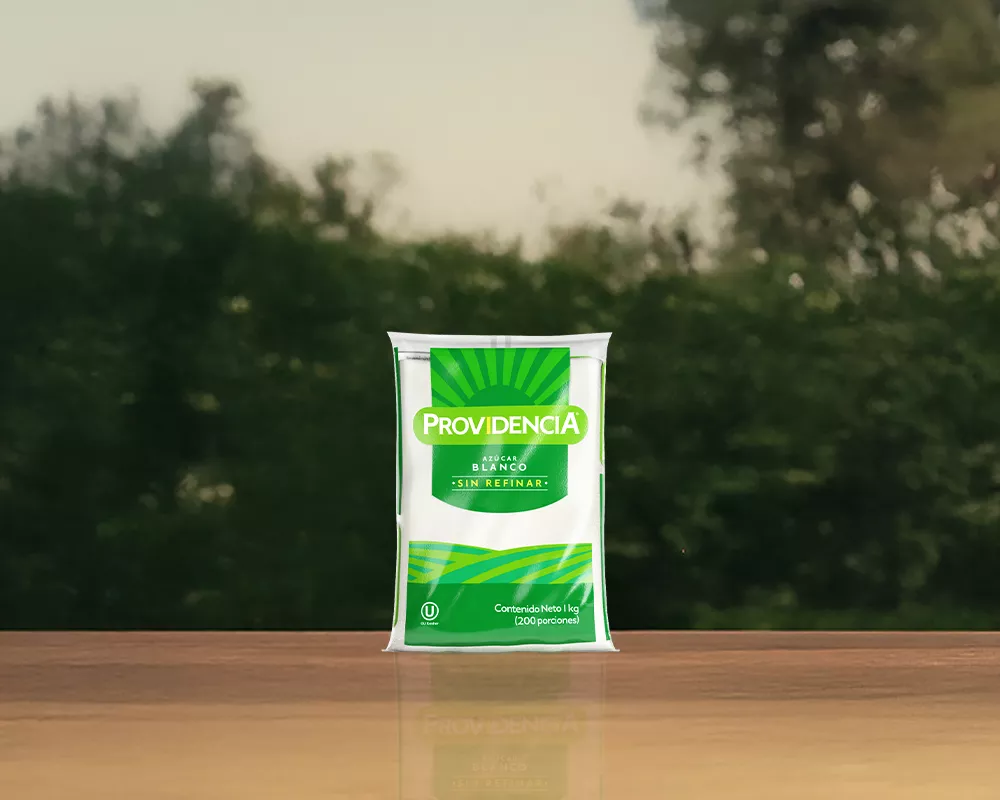
Four Reasons to Use Sugar in Your Meals
Sugar plays essential roles in the kitchen beyond just adding sweetness. It caramelizes, stabilizes, provides structure, and transforms flavors.
Few products are as present and versatile in the kitchen as cane sugar. Beyond its sweetness, this natural ingredient plays a key role in culinary processes that make food not only taste better but also have better texture, color, and consistency.
Providencia, one of the leading sugar producers in the country and a pioneer in the development of organic products, reminds us that behind a spoonful of this ingredient, there is science, tradition, and innovation. That’s why the company highlights four ways in which this traditional ingredient positively transforms the texture, flavor, and experience of food:
- Fluffy Texture: Baking with Science
Sugar not only sweetens but also plays a crucial role in the texture and structure of baked goods. When beaten with butter or other fats, it incorporates air into the mixture, creating tiny bubbles that help form lighter and fluffier doughs, like in cakes, muffins, or cookies.
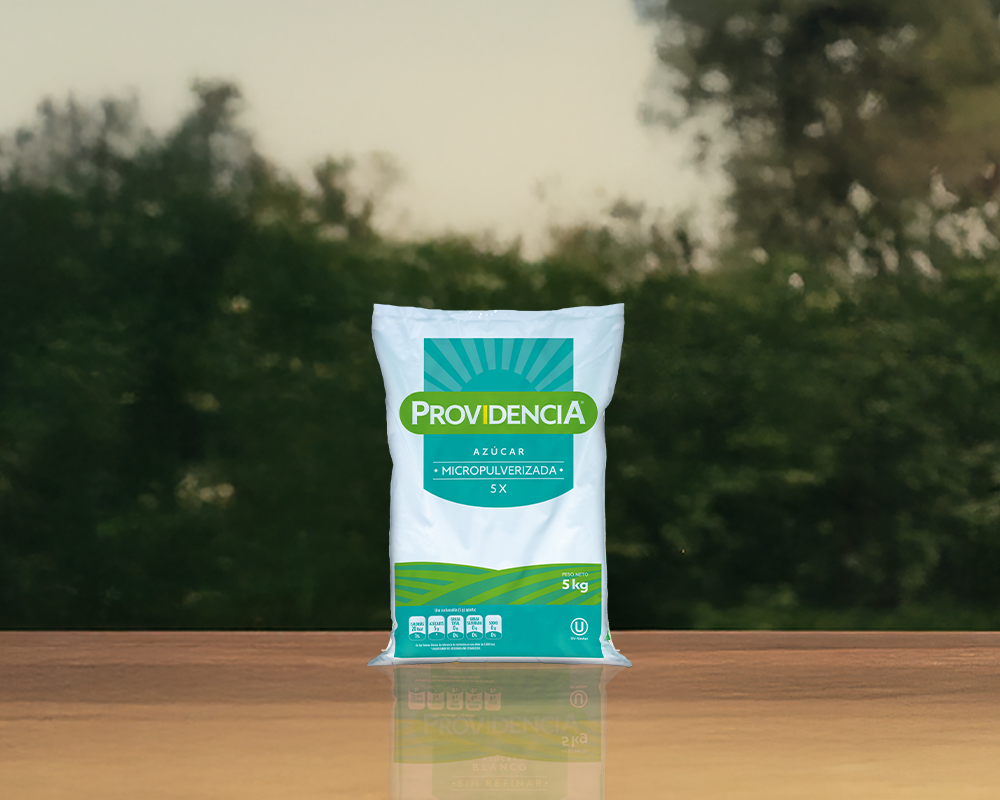
Additionally, sugar helps retain moisture in preparations, prolonging freshness and preventing quick drying. That’s why products like Providencia White Sugar are ideal for baking recipes: its uniform grain allows for efficient mixing, ensuring volume, softness, and preservation with every bake. Thanks to its dual function—structural and preservative—sugar is an indispensable ally in baking.
- Caramelization: The Art of Browning with Flavor
Did you know that the sweet touch of a well-caramelized onion intensifies with a pinch of sugar? This magic happens thanks to a chemical reaction known as caramelization, triggered by sugar when heated to temperatures between 130°C and 160°C.
During this process, sucrose molecules break down and form new compounds that provide golden hues, toasted aromas, and a distinctive flavor. To achieve this, just a small amount of sugar and patience are needed: slow and constant heat is key. For an even more delicious result, you can use Providencia White Sugar, Brown Sugar, or Providencia Organic Sugar, which are ideal for intensifying flavors in sauces, glazed meats, and desserts.
“A good tip for achieving perfect caramelization is not to stir the food too much while it’s cooking. Letting the sugar melt and darken slowly allows the flavors to develop better,” says Lucho Cook, chef and gastronomic ambassador for Providencia.
- Maillard Reaction: The Secret to Irresistible Flavor
When we cook foods that contain proteins and reducing sugars, like meat, bread, or cookies, at temperatures between 140°C and 165°C, the Maillard reaction occurs. This chemical transformation, discovered by French chemist Louis-Camille Maillard in 1912, is responsible for the appetizing golden color and deep, toasted flavor that we associate with a well-seared steak, a fried meatball, or a freshly baked cookie. During the process, hundreds of flavor compounds are generated that evolve as cooking progresses.
Although it is sometimes confused with caramelization, the Maillard reaction is a distinct and crucial phenomenon for developing complex flavors.